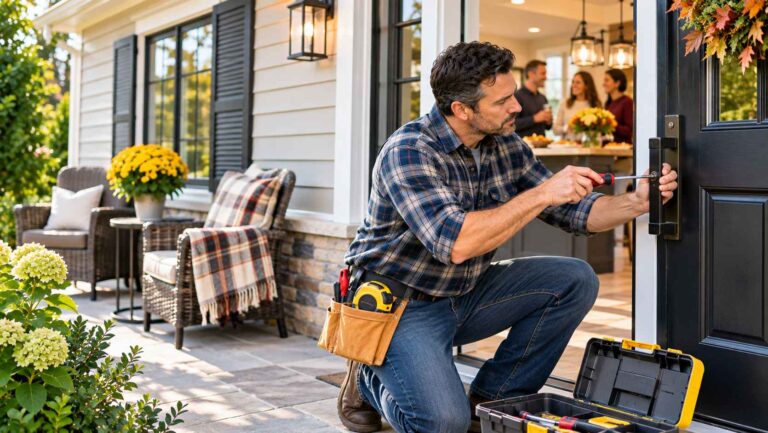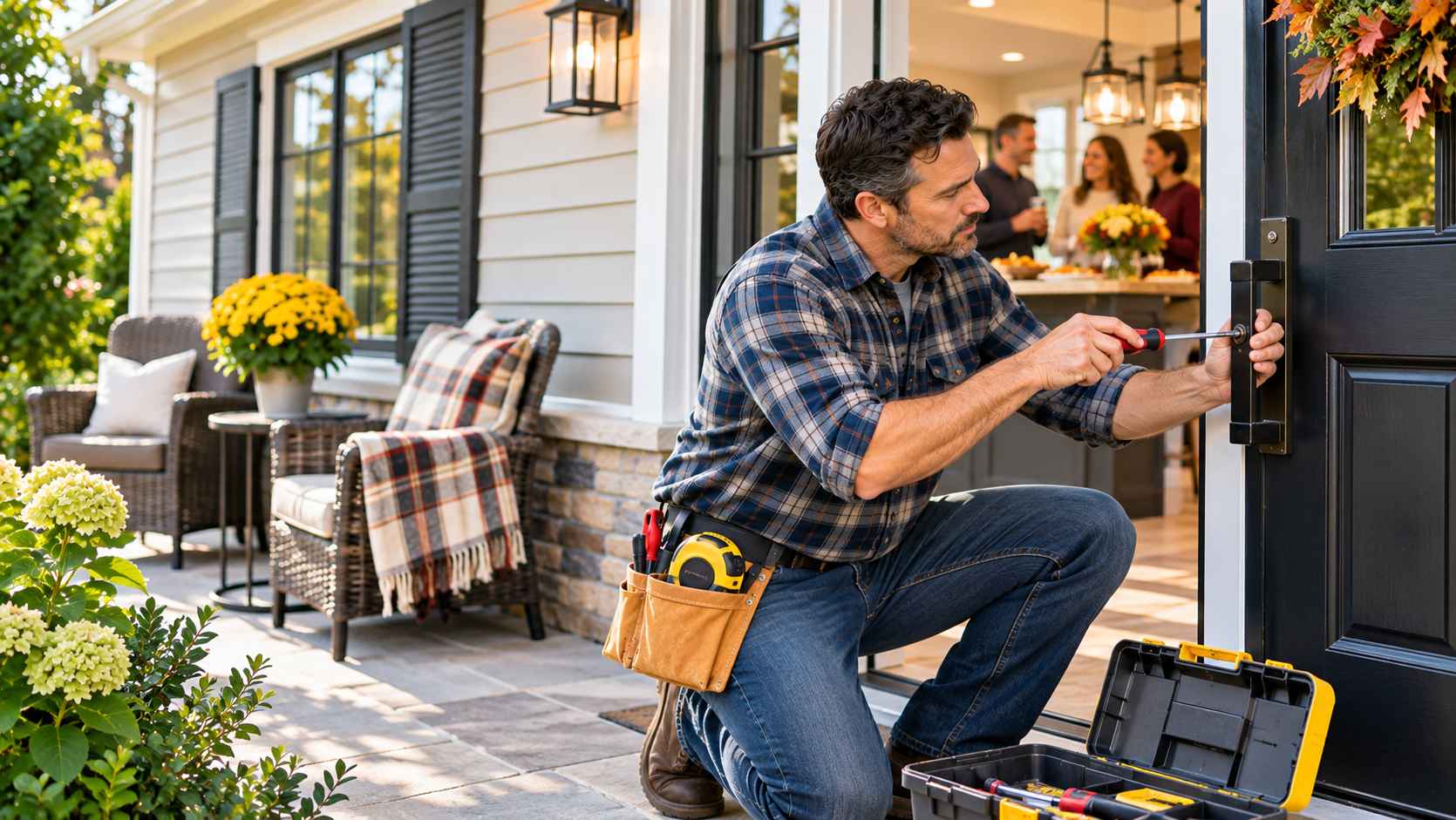
Hosting family, friends, or a special gathering is an opportunity to create a welcoming and comfortable environment. Whether planning a holiday dinner, birthday celebration, or casual weekend get-together, preparing a home often involves more than cleaning rooms and arranging decorations.
Small maintenance issues can become noticeable when guests arrive. A loose door handle, damaged wall, dripping faucet, or uneven entrance step may affect comfort, convenience, or safety.
For homeowners in Ottawa and the National Capital Region, changing weather conditions can also influence how indoor and outdoor spaces are prepared.
Taking time to inspect frequently used areas and complete practical repairs can make hosting more enjoyable. Local providers such as Gillespie Handyman Services can assist homeowners with general repairs and improvements that require additional tools or experience.
Why Home Preparation Involves More Than Cleaning
Cleaning and decorating are important parts of preparing for guests, but they do not address every concern.
A freshly cleaned kitchen may still have loose cabinet hardware, while an organized bathroom might contain a leaking faucet or damaged towel holder.
Before focusing entirely on decorations, homeowners should consider how visitors will move through and use the property.
Entryways, bathrooms, kitchens, dining areas, and living rooms deserve particular attention because guests are likely to spend time in these spaces.
A simple walkthrough can help identify repairs that may otherwise be overlooked during everyday routines.
Check Entryways, Steps, and Walkways
The entrance is often the first area guests encounter, making it an important part of home preparation.
Homeowners should inspect front steps, walkways, handrails, and outdoor lighting for visible problems.
Loose railings, uneven concrete, or damaged steps can create safety concerns, particularly when guests are unfamiliar with the property.
In Ottawa, seasonal conditions may introduce additional challenges. Snow and ice can affect winter access, while spring moisture may reveal cracks or drainage concerns.
Walkways should remain clear, and exterior lighting should provide adequate visibility.
When structural damage or unstable surfaces are identified, professional assessment is preferable to attempting temporary repairs immediately before an event.
Repair Loose Door Handles and Fixtures
Small hardware problems can become inconvenient when several people are using the same spaces.
A loose bathroom door handle, sticking interior door, or unstable cabinet hinge may not seem urgent during ordinary household routines.
However, these issues can become more noticeable during gatherings.
Homeowners should check frequently used doors, cabinet handles, towel bars, and other fixtures.
Doors should open and close smoothly, and bathroom locks should function properly.
Loose decorative fixtures may require simple adjustments, while damaged hardware may need replacement.
Completing these tasks before guests arrive helps keep frequently used areas functional.
Refresh Damaged Walls and Interior Paint
Walls and painted surfaces contribute significantly to a home’s overall appearance.
Scuff marks, small drywall dents, nail holes, and chipped paint can make rooms appear less maintained.
Before hosting, homeowners may consider repairing minor surface imperfections and refreshing visibly worn areas.
Living rooms, hallways, dining areas, and guest bedrooms are sensible places to begin.
However, water stains, bubbling paint, or recurring cracks should be investigated before cosmetic repairs are completed.
These symptoms may indicate underlying problems that cannot be resolved through repainting alone.
Allowing sufficient time for repairs, drying, ventilation, and cleanup can prevent last-minute inconvenience.
Check Bathrooms for Maintenance Concerns
Bathrooms are among the most frequently used rooms during gatherings.
Even small maintenance problems can affect the guest experience.
Before an event, homeowners should inspect faucets, toilet operation, cabinet doors, towel holders, and visible plumbing connections.
A dripping faucet or loose fixture may require attention before the gathering.
Bathrooms should also have functioning ventilation and adequate lighting.
Damaged caulking or grout may need repair, particularly where moisture could reach surrounding surfaces.
Guest supplies such as hand soap, towels, and toilet paper should be easily accessible.
A functional, organized bathroom helps visitors feel comfortable without needing to ask for assistance.
Keep Kitchens and Dining Areas Functional
Hosting often places additional demands on kitchens and dining spaces.
Cabinet doors, drawers, countertops, and storage areas may receive more frequent use than usual.
Homeowners should check for loose cabinet hinges, damaged handles, unstable shelving, and other visible maintenance issues.
Dining chairs and tables should also be inspected for stability.
Kitchen lighting, faucets, and accessible electrical outlets should function properly.
Any electrical faults should be assessed by a qualified electrician rather than addressed through improvised repairs.
Making small improvements before an event can help hosts focus on preparing food and spending time with guests instead of managing unexpected household problems.
Improve Storage and Organize Shared Spaces
An organized home makes gatherings easier to manage.
Guests may need space for coats, shoes, bags, and personal belongings.
Entryway storage, coat hooks, shelves, and cabinets should be checked for functionality.
Loose shelving or unstable storage furniture should be repaired or secured appropriately.
Homeowners may also consider rearranging furniture to improve movement through shared spaces.
Avoid blocking exits, narrow hallways, or frequently used doorways.
In smaller homes, thoughtful organization can make a meaningful difference without requiring major renovations.
The goal is to create convenient spaces that remain comfortable and accessible throughout the gathering.
Inspect Decks, Patios, and Outdoor Areas
Outdoor spaces can be valuable when hosting summer barbecues, family celebrations, or casual gatherings.
Before inviting guests outside, homeowners should inspect decks, patios, steps, and railings.
Look for loose deck boards, damaged stairs, splintered wood, and unstable handrails.
Outdoor seating should be sturdy, while pathways should remain clear of obstacles.
Seasonal weather can affect these areas, particularly after Ottawa’s winter months.
If significant structural deterioration is visible, the affected area should not be used until properly assessed.
Outdoor lighting and comfortable seating arrangements can help create a welcoming environment once safety and maintenance concerns have been addressed.
Address Minor Repairs Before the Event
One common hosting mistake is leaving maintenance tasks until the final day.
Even a small repair may require materials, additional preparation, or drying time.
Homeowners should identify concerns early and prioritize them according to safety, functionality, and visibility.
Simple cosmetic tasks may be suitable for advance planning, while more complicated repairs may require professional assistance.
Health Canada provides guidance about safety considerations for renovations and DIY projects, including precautions involving household chemicals and potentially hazardous materials.
Homeowners should follow product instructions and avoid work involving unfamiliar hazards or specialized equipment.
For larger projects, arranging professional assistance ahead of the event allows more time for proper assessment and completion.
When Professional Home Repair Assistance Makes Sense
Not every home improvement task is suitable for a quick DIY project.
Damaged drywall, exterior deterioration, complicated fixture repairs, and other maintenance concerns may require professional experience.
Homeowners considering handyman services for home repairs and improvements can review available assistance for general maintenance and household repair projects.
Before arranging work, it helps to prepare a list of concerns, explain the desired outcome, and discuss scheduling.
Projects requiring licensed trades, structural assessment, or specialized safety precautions should be directed to appropriately qualified professionals.
Planning ahead helps ensure repairs are not rushed immediately before guests arrive.
A Practical Pre-Hosting Home Checklist
A simple checklist can make preparation more organized:
- Entrances: Check walkways, steps, railings, and exterior lighting.
- Doors and hardware: Inspect handles, hinges, locks, and frequently used fixtures.
- Walls: Address visible drywall damage and worn paint.
- Bathrooms: Check faucets, toilets, ventilation, and towel holders.
- Kitchen: Inspect cabinets, drawers, seating, and essential fixtures.
- Living spaces: Organize furniture, storage, and guest belongings.
- Outdoor areas: Examine decks, patios, railings, and walking surfaces.
- Final review: Confirm completed repairs and clean affected areas.
Completing the checklist several days before an event can leave additional time for any unexpected concerns.
Conclusion: A Well-Maintained Home Makes Hosting Easier
Preparing a home for guests involves creating an environment that feels comfortable, welcoming, and functional.
While cleaning and decorating help establish the atmosphere, small maintenance repairs are equally important.
Checking entrances, repairing fixtures, refreshing walls, organizing shared spaces, and inspecting outdoor areas can help homeowners prepare more confidently.
By planning ahead, prioritizing necessary repairs, and seeking qualified assistance when appropriate, homeowners can reduce last-minute complications.
Ultimately, thoughtful home preparation allows hosts to spend less time worrying about maintenance and more time enjoying the company of family and friends.