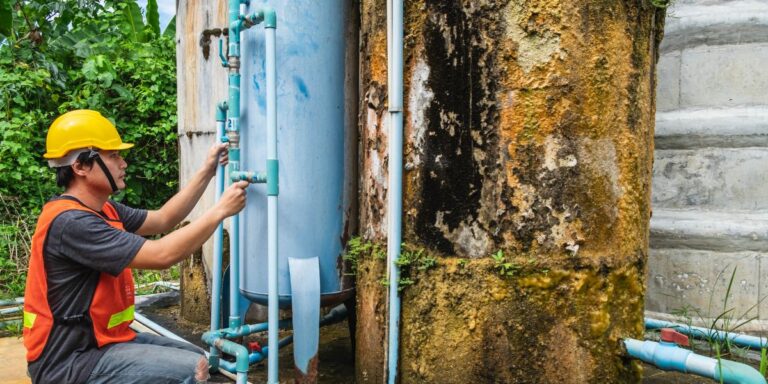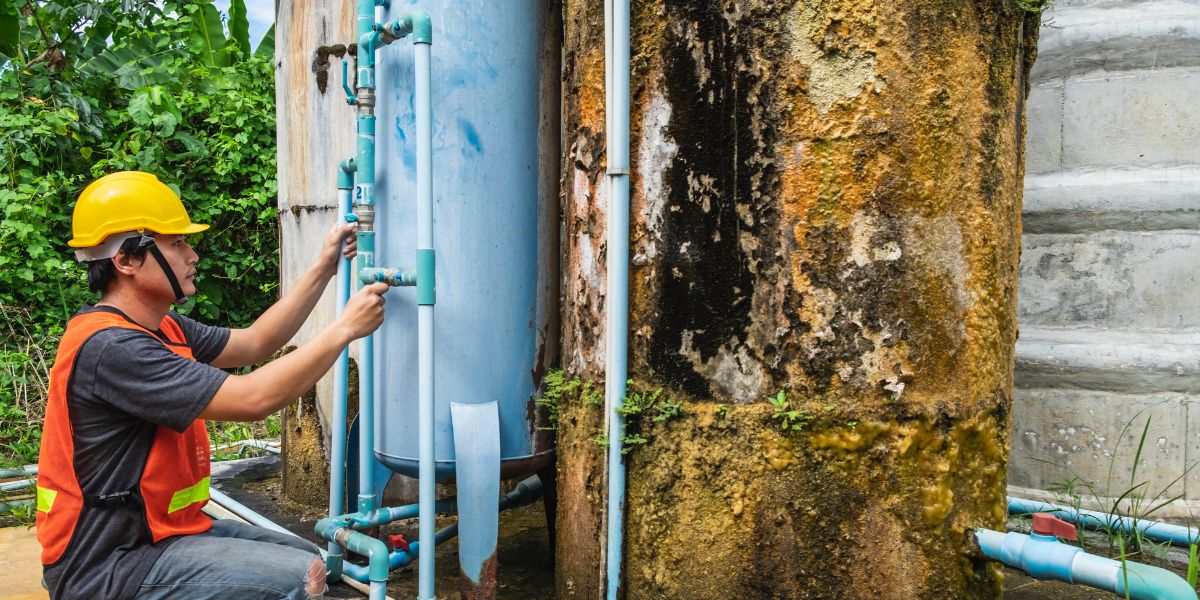
For rural homeowners, cottages, farms, and small businesses, water is one of the most important systems on the property. Unlike homes connected to municipal water, a private well system depends on several connected parts working together. The well, pump, pressure tank, treatment equipment, filters, plumbing, and controls all affect how reliable the water supply feels every day.
When the system is working properly, it may not get much attention. Water flows from the tap, showers feel normal, laundry gets done, and daily routines continue. But when something changes, the entire property can be affected. Low pressure, cloudy water, staining, odours, sediment, pump problems, or reduced supply can quickly become stressful.
For property owners looking for well water system maintenance, understanding how the system works is the first step toward preventing avoidable problems and making better decisions when repairs or upgrades are needed.
A Private Well Is a Complete System
A well is not just the water source. It is part of a larger system that needs to work together properly. The pump brings water from the well into the property. The pressure tank helps regulate flow and reduces strain on the pump. Treatment equipment may improve water quality. Filters may remove sediment or other concerns. Plumbing delivers water throughout the home or building.
If one part of the system is not working well, it can affect the rest. A weak pump may create poor pressure. A failing pressure tank may cause short cycling. Clogged filters may reduce flow. Treatment equipment that is not properly sized may affect performance. A low-yield well may struggle during heavy use.
This is why rural water problems should be diagnosed carefully. A quick guess may not solve the real issue. Looking at the full system helps property owners avoid unnecessary repairs and choose the right solution.
Water Quality Should Be Checked Regularly
Well water can change over time. A property owner may notice differences in taste, smell, colour, clarity, staining, or sediment. Sometimes the change is gradual. Other times, it appears suddenly and needs attention.
Because every well is different, water quality should not be assumed. Two properties near each other may have very different water conditions. The depth of the well, surrounding rock, groundwater movement, seasonal changes, and property use can all influence the water.
Testing is important because not every concern is visible. Some water may look clear but still need treatment or further review. Other issues, such as staining or odours, may point to specific concerns that need proper identification before equipment is selected.
Good water treatment begins with accurate information. Without testing, a property owner may spend money on equipment that does not solve the actual problem.
Pressure Problems Can Have Many Causes
Low water pressure is one of the most common frustrations for rural property owners. It can affect showers, laundry, dishwashing, cleaning, outdoor use, and general comfort. However, pressure problems are not always caused by the same issue.
The pump may be aging or undersized. The pressure tank may not be working correctly. Filters may be clogged. Treatment equipment may be restricting flow. Plumbing may have limitations. The well itself may not be producing enough water for the property’s needs.
Because there are several possible causes, pressure problems should be reviewed as part of the full system. Replacing one component without checking the others may not fix the issue.
Steady water pressure depends on the well, pump, tank, treatment equipment, and plumbing all working together properly.
Pump Performance Matters Every Day
The pump is one of the most important parts of a private well system. It moves water from the well into the home or building. When the pump is working well, water access feels simple. When it begins to fail, daily routines can be interrupted quickly.
Warning signs may include weak pressure, frequent cycling, air in the lines, unusual noises, inconsistent flow, or no water at all. These symptoms should not be ignored. A pump issue can become more serious if it is left too long.
However, not every pump-related symptom means the pump itself is the only problem. The issue could involve wiring, controls, the pressure switch, the pressure tank, filters, or the well’s yield. Proper diagnosis helps identify the real cause.
A reliable pump system gives rural homeowners confidence that their water will be available when they need it.
Pressure Tanks Help Protect the Pump
Pressure tanks often receive less attention than pumps, but they play a major role in system performance. A pressure tank stores water under pressure and helps reduce how often the pump turns on and off. This helps the system deliver more consistent pressure and can reduce unnecessary wear on the pump.
When a pressure tank is not working properly, the pump may cycle too often. This can create stress on the equipment and lead to uneven water pressure. Homeowners may notice sudden pressure changes, short bursts of water, or the pump running more frequently than normal.
A tank issue can sometimes look like a pump problem. That is why both components should be checked when water pressure changes or equipment begins behaving differently.
A properly functioning pressure tank supports smoother water use and better long-term system performance.
Water Treatment Should Fit the Actual Water
Water treatment is not one-size-fits-all. Some properties may need sediment filtration. Others may need help with hardness, iron, staining, taste, odour, or other water quality concerns. A full-time family home may need a different solution than a seasonal cottage or rural business.
The right treatment system should be based on water testing, household demand, flow rate, plumbing setup, and the property owner’s goals. Equipment that is too small may not keep up. Equipment that is unnecessary or poorly matched may create extra maintenance without solving the problem.
For homeowners exploring water filtration services for rural homes, the best approach is to understand the water first and then choose a system that matches the property.
Proper water treatment can improve daily comfort, protect fixtures and appliances, and make the system easier to manage.
Well Drilling Requires Long-Term Thinking
Drilling a new well is an important investment. Whether the well is for a new home, cottage, farm, or rural business, it should be planned carefully. The property layout, access, expected water use, depth, groundwater conditions, and future needs all matter.
A well should support the way the property will be used. A small seasonal cottage may have different needs than a full-time home with multiple bathrooms. A farm, workshop, or business may need a more robust system. Future renovations or increased usage should also be considered when planning.
Well drilling is not only about finding water. It is about creating a reliable source that can support the property over time.
Good planning at the beginning can reduce problems later and help the property owner feel more confident in the system.
Low-Yield Wells Need Careful Assessment
Some wells may struggle to produce enough water for the property’s needs. This can become noticeable during dry periods, heavy household use, seasonal cottage stays, outdoor watering, or when more people are using the property than usual.
Low-yield concerns can be frustrating, but the cause should be reviewed carefully. The issue may be the well itself, but it could also involve the pump, pressure tank, storage capacity, filters, or water use patterns. In some situations, specialized services may be considered to improve water availability, depending on the well and property conditions.
Guessing at the solution can waste time and money. A proper assessment helps determine what is actually limiting the system and what options may be practical.
Reliable water supply begins with understanding the source of the problem.
Seasonal Properties Have Different Water Needs
Cottages and seasonal homes often use water differently than year-round residences. A system may sit unused for months and then suddenly need to support heavy use during weekends, holidays, or summer visits. This pattern can reveal issues that were not obvious during lighter use.
Before opening a seasonal property, owners should check water quality, pump performance, pressure, filters, treatment equipment, and plumbing. If the system has been inactive, it should be reviewed before regular use begins.
Guest visits can also increase demand quickly. A cottage system that works well for one or two people may struggle when a larger group is staying.
Planning ahead helps avoid water problems during the times when the property is meant to be enjoyed most.
Older Water Systems May Need Upgrades
Many rural properties have older wells, pumps, tanks, or treatment systems. Some still work, but they may not perform as well as the property now requires. A home may have more occupants than before. A cottage may now be used more often. A treatment system may be outdated. A pressure tank may no longer support demand properly.
Upgrades can improve water quality, pressure, reliability, and daily comfort. This does not always mean replacing the entire system. Sometimes a targeted upgrade can make a major difference.
A professional review can help identify which parts of the system are working properly and which ones should be improved. This makes upgrades more practical and avoids unnecessary replacement.
A well-planned upgrade can help a rural water system perform better for years.
Professional Support Helps Reduce Guesswork
Private well systems can be confusing, especially for homeowners who are new to rural living. A pressure problem may seem simple but involve several possible causes. A water quality concern may require testing before treatment can be chosen. A pump issue may actually involve the tank, controls, or well yield.
Professional support helps property owners make better decisions. Instead of guessing, the system can be reviewed carefully. This can save time, reduce stress, and help avoid unnecessary repairs.
A company like MacKinnon Water Solutions reflects the importance of knowledgeable help for wells, pumps, treatment systems, pressure concerns, and rural water needs.
When rural homeowners have dependable support, managing a private water system becomes much easier.
Reliable Water Supports the Whole Property
Water affects nearly every part of daily life. It is needed for drinking, cooking, bathing, laundry, cleaning, gardens, animals, heating systems, and business operations. When water is unreliable, everything on the property feels more difficult.
A dependable well water system supports comfort and function. Good pressure makes daily use easier. Proper treatment improves water quality. A reliable pump and pressure tank help keep water available. A well that meets the property’s needs gives homeowners greater peace of mind.
The key is treating the system as a whole. The well, pump, pressure tank, treatment equipment, filters, and plumbing all influence each other.
With regular attention and the right support, rural property owners can maintain a water system that is more reliable, practical, and ready for everyday use.
Building a Better Plan for Private Well Care
Private well systems need ongoing care. Testing, maintenance, timely repairs, equipment reviews, and proper upgrades all help protect the water supply. Waiting until there is no water or a major pressure problem can create unnecessary stress.
A better approach is to pay attention to warning signs, understand the system, test when needed, and seek professional help before small issues become larger disruptions. This approach works for full-time homes, seasonal cottages, farms, and rural businesses.
A reliable water system does not happen by accident. It comes from proper planning, regular care, and knowledgeable support when problems appear. For rural property owners, that support can make all the difference in keeping water safe, dependable, and easier to manage over the long term.